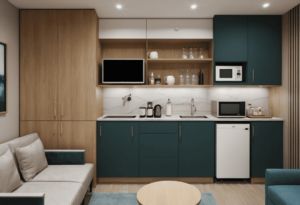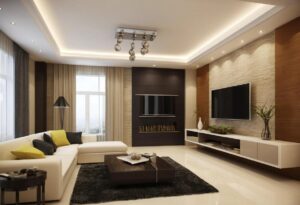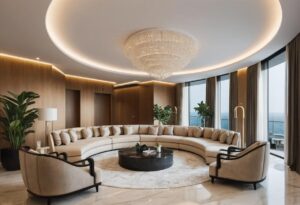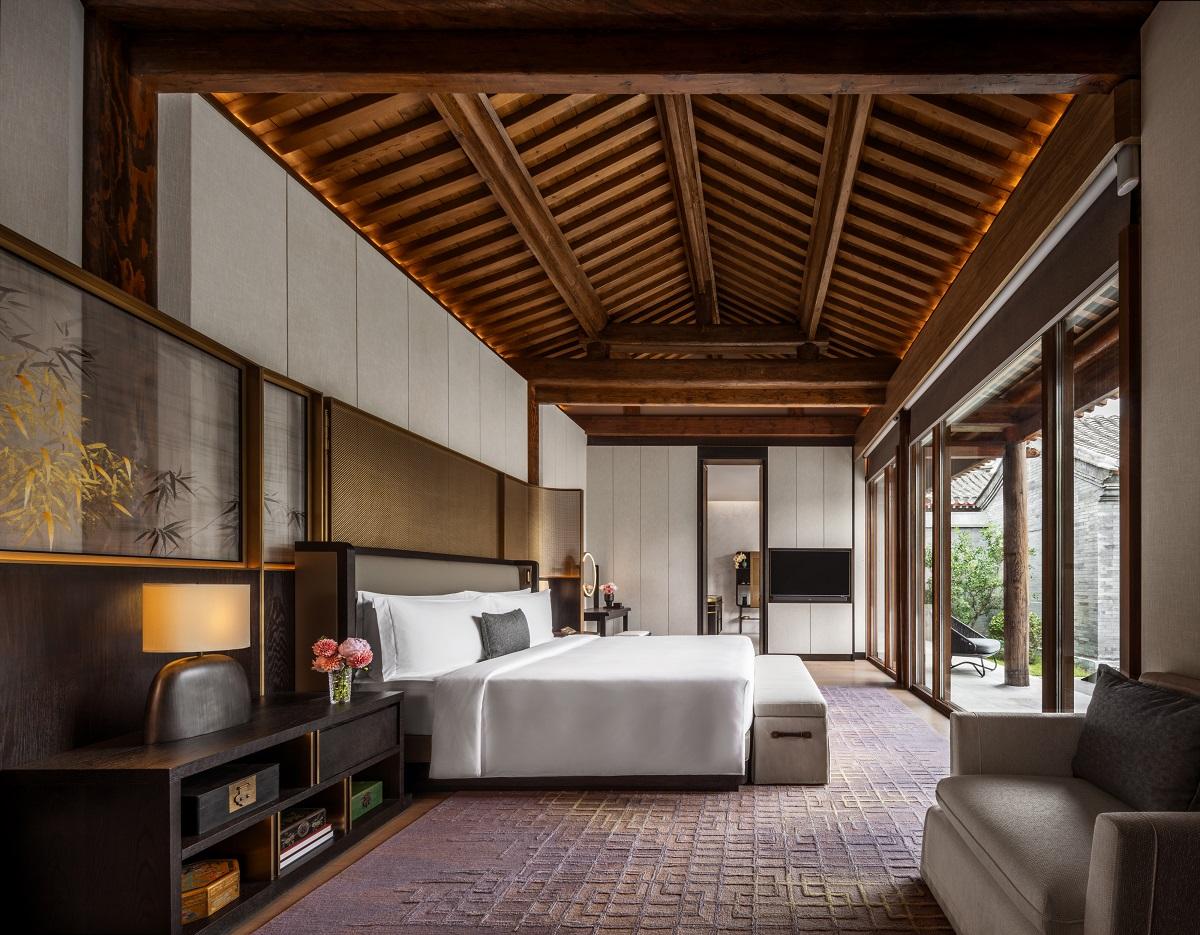
Hotel interior design plays a key role in crafting memorable experiences. Every detail, from the furniture to the lighting, influences a guest’s stay. The right design creates comfort, style, and functionality in harmony. When walking into the lobby, checking into a room, or dining at the restaurant, guests feel the hotel’s personality and charm. This ambiance sets the stage for their experience. Therefore, a well-designed space is crucial for any hotel looking to impress its guests. This article delves into the essential elements that define successful hotel interior decoration.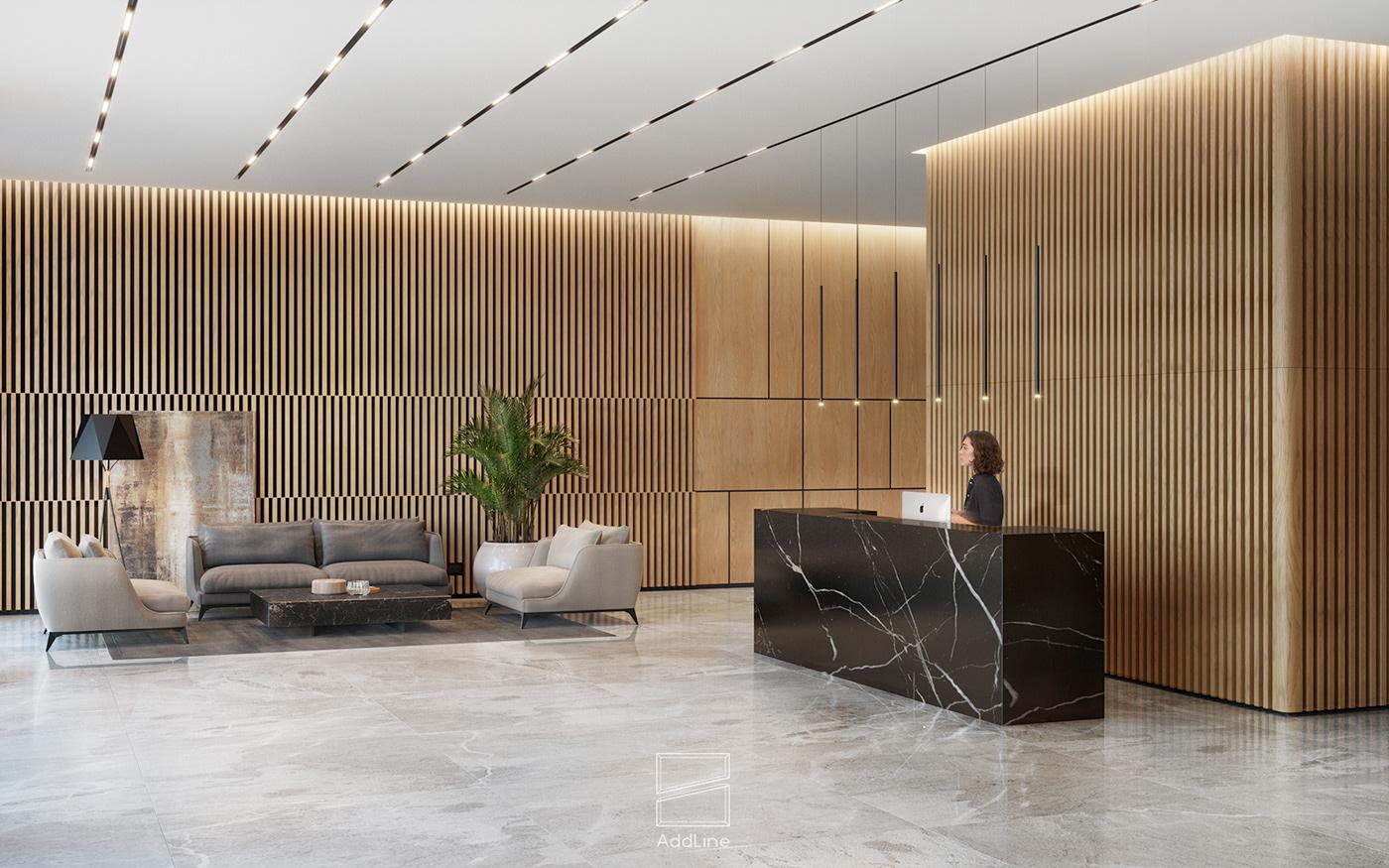
Lobby and Check-in Area Design: Creating First Impressions
A thoughtfully designed check-in area enhances not only the guest’s initial impression but also their overall comfort. This space should be both functional and friendly, featuring clearly marked signage, efficient layouts, and stylish yet practical accessories.
-
- Color Schemes: Create harmony with the hotel’s aesthetic.
-
- Lighting: Use warm lighting to create an inviting ambiance.
-
- Furniture Selection: Choose pieces that balance comfort with style.
| Element | Impact |
|---|---|
| Color Schemes | Sets the tone and mood. |
| Lighting | Enhances warmth and visibility. |
| Seating | Encourages relaxation. |
Guest Room Layout: Balancing Comfort and Functionality
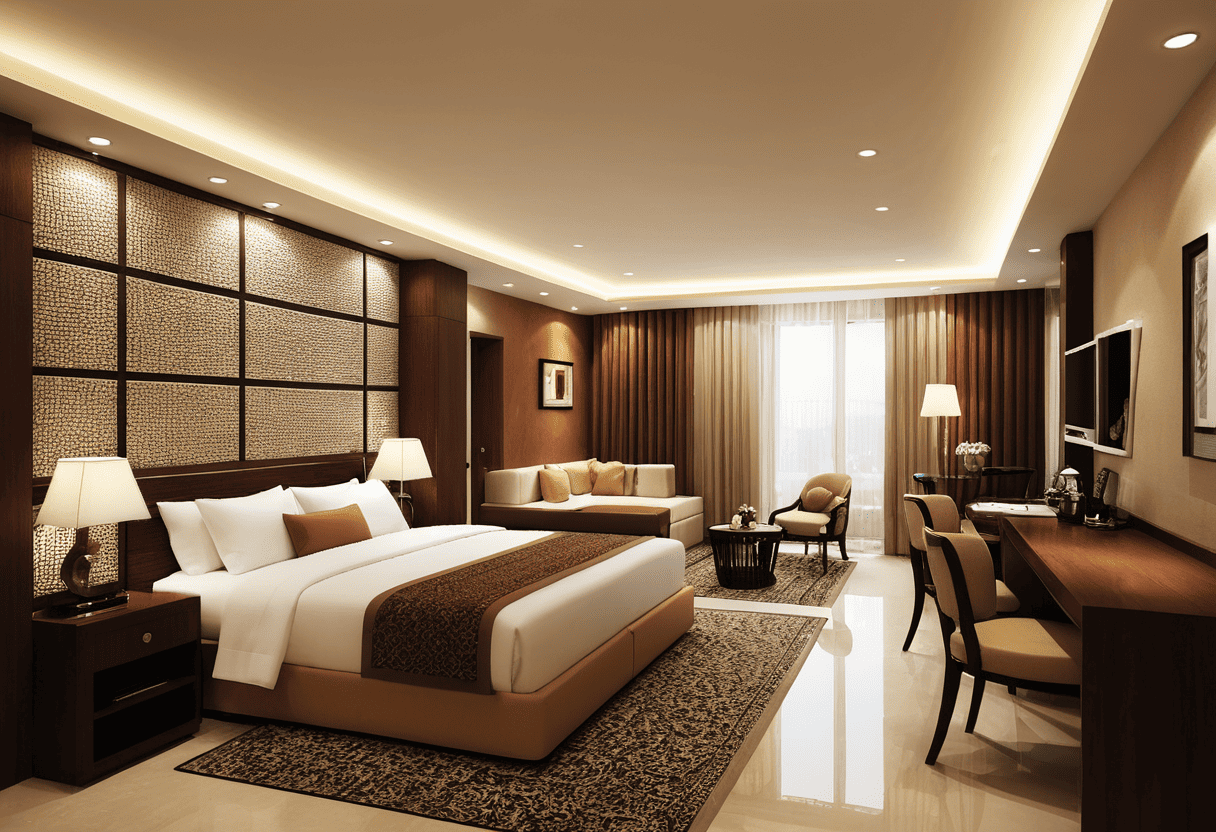
لتحقيق التوازن بين الراحة والوظائف العملية في غرفة الضيوف، يجب مراعاة توزيع الأثاث، والإضاءة، وحلول التخزين. أولاً، اجعل السرير هو النقطة المحورية في الغرفة بوضعه بمحاذاة جدار بارز. استخدم طاولة سرير جانبية على كل جانب من السرير، لتوفير مساحة للضيوف لوضع أغراضهم الشخصية. استخدم إضاءة ناعمة ومحيطة عبر المصابيح الموجودة على هذه الطاولات لخلق جو دافئ ومرحب.
- توزيع الأثاث: رتب الأثاث بطريقة تسمح بسهولة الحركة.
- الأجواء العامة: استخدم الإضاءة الناعمة لخلق بيئة مريحة.
- حلول التخزين: وفر مساحة كافية دون التسبب في فوضى بالغرفة.
يمكن إضافة منطقة جلوس صغيرة لزيادة الراحة والاستفادة من المساحة. اختر كرسيًا صغيرًا وطاولة صغيرة، لتكون مثالية للقراءة أو لاحتساء القهوة. استغل المساحة العمودية عن طريق إضافة أرفف أو وحدات تخزين مثبتة على الحائط للحفاظ على الأرضيات فارغة.
Color Schemes and Lighting: Setting the Mood
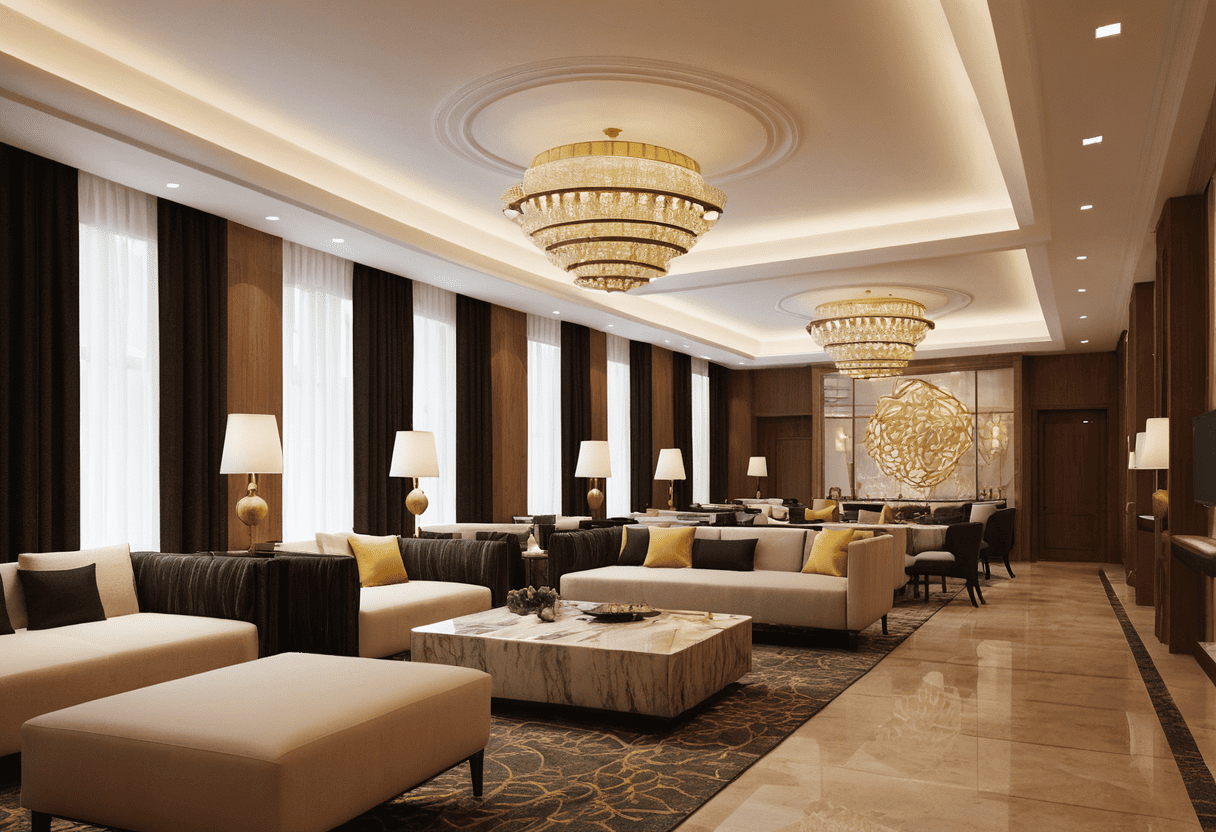
Colors influence a hotel’s ambiance. Warm tones such as reds and oranges evoke comfort, while cool shades like blues and greens create calmness. Neutral colors provide a sophisticated elegance. Accent colors can highlight key features like artwork or architectural details. The strategic use of color can guide guests’ emotions and interactions within the space. For instance:
-
- Reds stimulate energy and appetites.
-
- Blues promote a peaceful and serene environment.
-
- Yellows infuse a sense of optimism and joy.
Lighting is pivotal in setting the desired mood in hotel interiors. Ambient lighting creates general illumination, while task lighting provides focused light for specific activities. Accent lighting highlights decor and architectural elements. Combining these types of lighting can enhance the overall atmosphere. Here’s a quick guide:
| Lighting Type | Purpose |
|---|---|
| Ambient Lighting | Provides overall illumination |
| Task Lighting | Focused light for specific tasks |
| Accent Lighting | Highlights features and decor |
Furniture Choices: Blending Style and Durability
Building a hotel’s interior involves selecting pieces that combine aesthetics with practicality. Opt for hardwood furniture for a grand look that stands the test of time. Materials such as oak and teak are popular due to their durability and stylish appearance. For a cozier feeling, consider using upholstered furniture with fabric that withstands wear and tear, such as velvet or microfiber. These choices not only contribute to the ambiance but also ensure longevity.
Mixing materials and styles can create a dynamic and inviting atmosphere. Metal accents on wooden frames offer an industrial yet warm aesthetic. Highlight different areas with bold leather pieces in high-traffic zones for their resilient nature. Embrace the following combinations to enjoy both beauty and strength:
-
- Steel and leather for contemporary vibes
-
- Wood and fabric for a traditional appeal
-
- Glass and metal for a sleek and modern look
| Material | Durability | Style |
|---|---|---|
| Hardwood | High | Classic |
| Metal | Very High | Modern |
| Leather | High | Luxurious |
Artwork and Decor: Adding Personality to Spaces
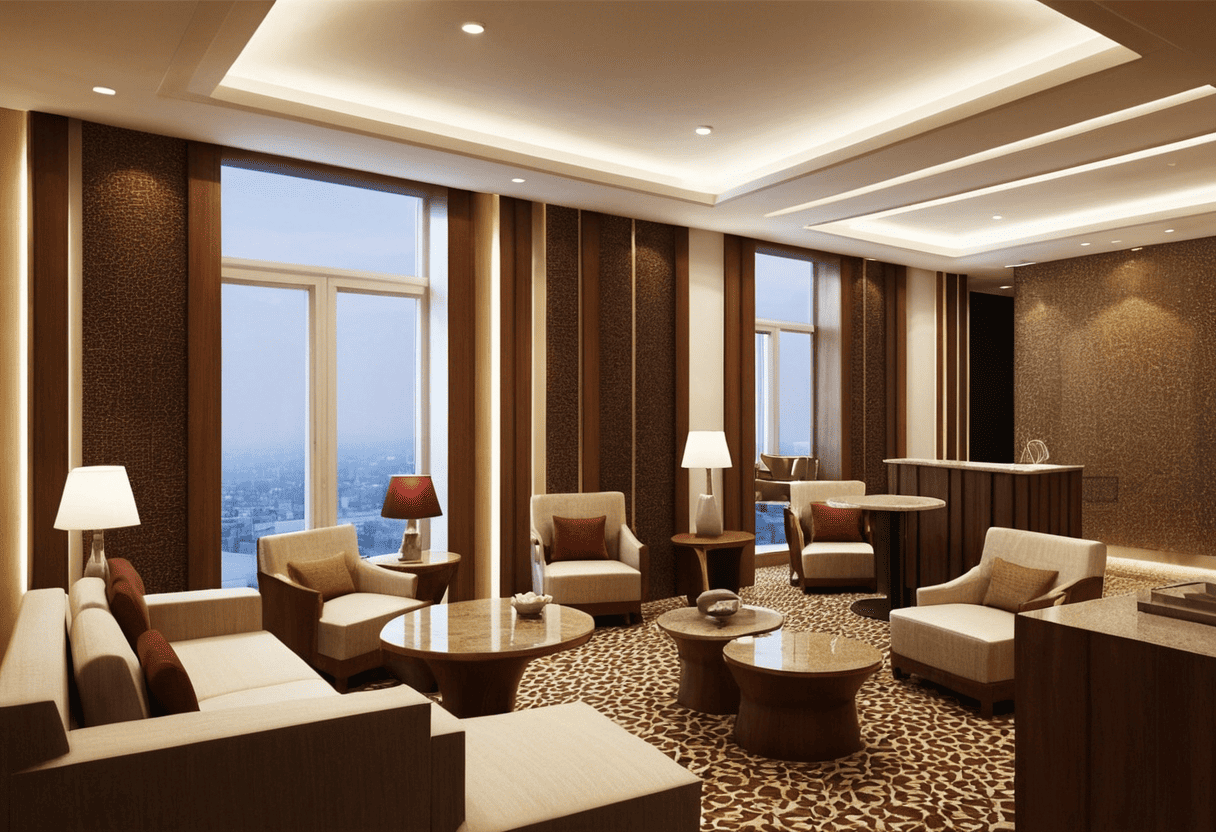
Decor elements like pillows, rugs, and lighting complement the artwork, adding texture and warmth. Choose items that harmonize with the color scheme and design theme of your hotel. Here are some ideas to consider:
-
- Statement pieces: A large painting or a striking sculpture can be a focal point.
-
- Consistent themes: Repeat patterns or colors throughout for a cohesive look.
-
- Mix and match: Blend various textures and styles to create a dynamic space.
Bathroom Design: Combining Luxury and Practicality
Transform your hotel bathroom into a five-star retreat by blending luxury with practicality. Choose fixtures that are both stylish and functional. Think about freestanding bathtubs, dual-sink vanities, and walk-in showers with rainfall showerheads. Enhance the space with heated floors and towel racks for added comfort. Meanwhile, ensure ample storage with sleek cabinetry and shelves.
- Freestanding Bathtubs
- Dual-Sink Vanities
- Walk-In Showers with Rainfall Showerheads
- Heated Floors
- Heated Towel Racks
Color Schemes and Lighting
Color schemes are crucial in creating the right atmosphere. Opt for a neutral palette, such as shades of white, grey, or beige, to promote a calm environment. Accent tiles or statement pieces can add character without overwhelming the senses. Lighting must be strategic—use a combination of ambient, task, and accent lighting to create a warm, inviting space.
Key Elements and Their Functions:
| Element | Function |
|---|---|
| Neutral Colors | Create a calm atmosphere |
| Accent Tiles | Add character |
| Multiple Lighting Types | Enhance warmth and ambiance |
Hallways and Common Areas: Enhancing Flow and Space
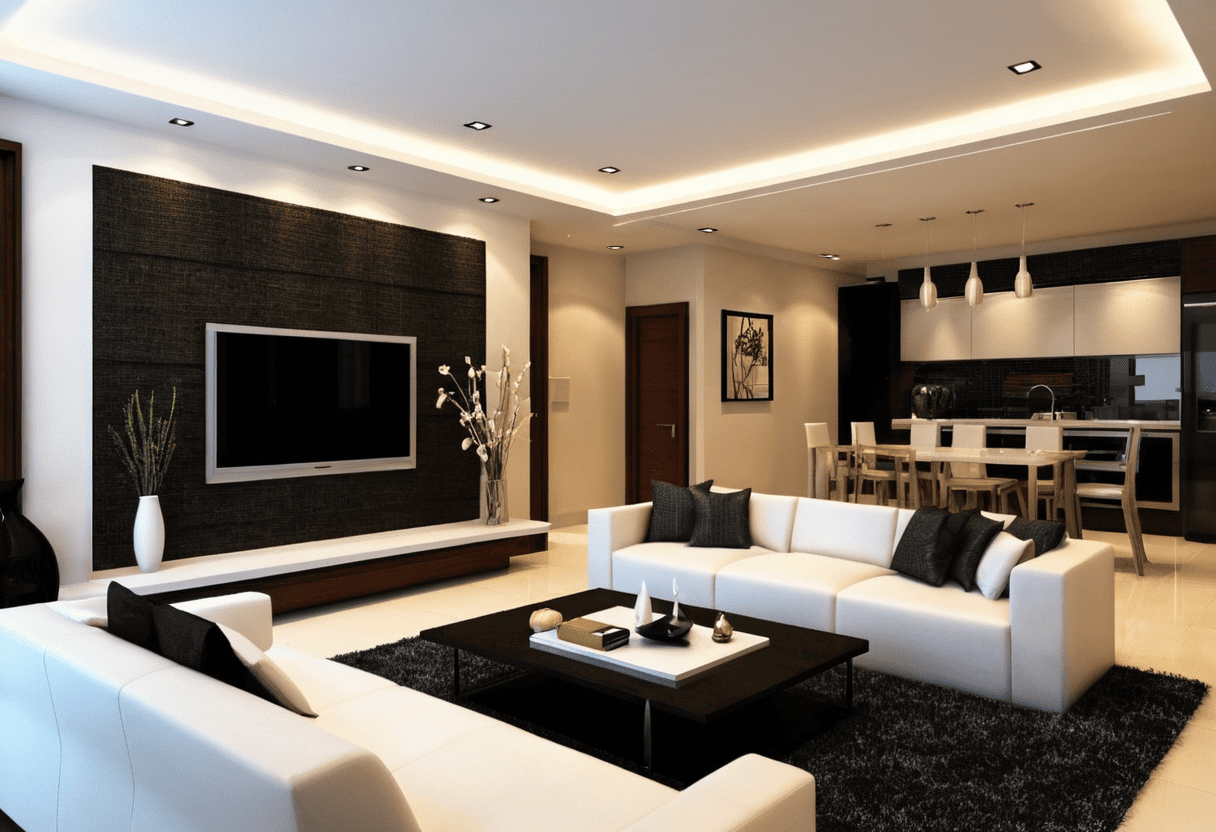
Furniture placement is crucial. Opt for storage benches or multi-functional furniture that does not obstruct movement. Materials and finishes should be durable and easy to clean, ensuring longevity and ease of maintenance. Use the table below for quick furniture ideas:
| Furniture | Benefits |
|---|---|
| Storage Bench | Seating and storage |
| Console Table | Decorative and functional |
| Modular Shelves | Flexible and space-efficient |
Sustainable Materials: Eco-friendly Choices in Hotel Interiors
Using sustainable materials in hotel interiors benefits the environment and creates a healthy space for guests. Incorporating reclaimed wood for furniture brings a rustic charm while reducing waste. Bamboo is another eco-friendly option, offering strength and flexibility in design. Opt for *natural fibers* such as organic cotton for upholstery, ensuring reduced chemical use.
-
- Reclaimed wood: Unique aesthetics, eco-friendly, and reduces waste
-
- Bamboo: Sustainable, durable, and versatile
-
- Organic cotton: Minimal chemical use, soft texture, and sustainable
Lighting is also key in creating a sustainable hotel interior. Use LED lights which are energy-efficient and have a longer lifespan. Install dimmer switches to adjust lighting based on need, conserving energy. Solar-powered options can further boost sustainability efforts. Integrating natural light through large windows not only lowers energy use but also enhances the space’s ambiance.
-
- LED lights: Energy-efficient and long-lasting
-
- Dimmer switches: Adjustable lighting, energy conservation
-
- Solar-powered lights: Renewable energy use
-
- Natural light: Energy-saving, improves ambiance
| Material | Benefit |
|---|---|
| Reclaimed wood | Reduces waste |
| Bamboo | Sustainable |
| Organic cotton | Minimal chemicals |
Q&A
Q: What defines successful hotel interior decoration?
A: Successful hotel interior decoration creates a welcoming environment. It combines comfort, functionality, and aesthetics to make guests feel at home. Key elements include color schemes, furniture arrangement, lighting, and artwork that reflect the hotel’s brand and location.
Q: How do color schemes affect hotel interiors?
A: Color schemes set the mood in a hotel. Warm colors create a cozy atmosphere, while cool colors offer a calming effect. Neutral tones provide a timeless look that appeals to various guests.
Q: What role does furniture play in hotel design?
A: Furniture impacts both comfort and style. Designers choose pieces that are both practical and attractive. They consider factors like durability, versatility, and ease of maintenance. Each piece should enhance the room’s overall look.
Q: Why is lighting important in hotel interior decoration?
A: Lighting affects ambiance and functionality. It highlights design features, sets the mood, and ensures safety. Hotels use a mix of natural and artificial lighting to create the desired effect.
Q: How can artwork improve hotel interiors?
A: Artwork adds personality and charm to hotel spaces. It can reflect the local culture, add color, and serve as a conversation starter. Properly chosen artwork gives guests a sense of place and belonging.
Q: What is the role of functionality in hotel design?
A: Functionality ensures that spaces work well for guests. This includes comfortable beds, ample storage, and user-friendly layouts. Functional design improves the guest experience and boosts satisfaction.
Q: How do designers balance aesthetic and practical needs?
A: Designers find a balance by choosing beautiful yet practical elements. They select materials and furnishings that are both stylish and easy to maintain. The goal is to create spaces that are not only visually appealing but also functional and durable.
Q: What trends are shaping hotel interior decoration today?
A: Current trends include sustainable design, use of natural materials, and personalized guest experiences. Hotels are also incorporating technology and flexible spaces to meet diverse guest needs.
Q: How does sustainable design impact hotel interiors?
A: Sustainable design uses eco-friendly materials and energy-efficient solutions. It reduces environmental impact and appeals to eco-conscious travelers. This approach also supports responsible business practices.
Q: What is the importance of personalized guest experiences in hotel design?
A: Personalized experiences make guests feel special and valued. Designers achieve this by creating adaptable spaces and offering custom amenities. Personal touches can greatly enhance guest satisfaction.
Q: How can technology enhance hotel interior decoration?
A: Technology offers convenience and comfort. Smart lighting, climate control, and entertainment systems improve the guest experience. Integrating technology seamlessly into the design is key.
Q: What are flexible spaces and why are they important?
A: Flexible spaces adapt to various guest needs. They can serve multiple purposes, from meetings to relaxation. This versatility makes hotels more attractive to different types of travelers.